mirror of
https://github.com/zebrajr/pytorch.git
synced 2025-12-07 12:21:27 +01:00
 c20628c5f6
Summary:
The function originally comes from 4279f99847/tensorflow/python/ops/summary_op_util.py (L45-L68)
As its comment says:
```
# In the past, the first argument to summary ops was a tag, which allowed
# arbitrary characters. Now we are changing the first argument to be the node
# name. This has a number of advantages (users of summary ops now can
# take advantage of the tf name scope system) but risks breaking existing
# usage, because a much smaller set of characters are allowed in node names.
# This function replaces all illegal characters with _s, and logs a warning.
# It also strips leading slashes from the name.
```
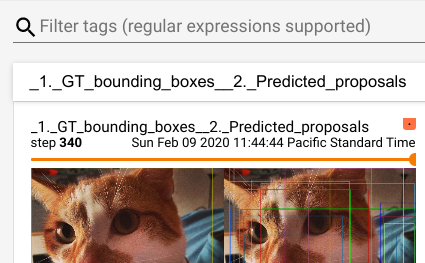
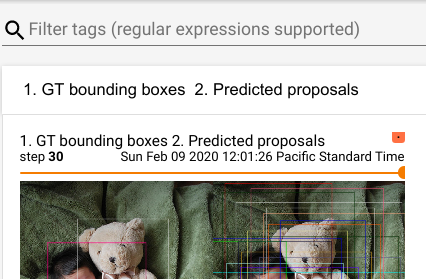
This function is only for compatibility with TF's operator name restrictions, and is therefore no longer valid in pytorch. By removing it, tensorboard summaries can use more characters in the names.
Before:
After:
Pull Request resolved: https://github.com/pytorch/pytorch/pull/33133
Differential Revision: D20089307
Pulled By: ezyang
fbshipit-source-id: 3552646dce1d5fa0bde7470f32d5376e67ec31c6


647 lines
26 KiB
Python
647 lines
26 KiB
Python
from __future__ import absolute_import
|
|
from __future__ import division
|
|
from __future__ import print_function
|
|
|
|
import json
|
|
import logging
|
|
import numpy as np
|
|
import os
|
|
|
|
# pylint: disable=unused-import
|
|
from six.moves import range
|
|
|
|
from tensorboard.compat.proto.summary_pb2 import Summary
|
|
from tensorboard.compat.proto.summary_pb2 import HistogramProto
|
|
from tensorboard.compat.proto.summary_pb2 import SummaryMetadata
|
|
from tensorboard.compat.proto.tensor_pb2 import TensorProto
|
|
from tensorboard.compat.proto.tensor_shape_pb2 import TensorShapeProto
|
|
from tensorboard.plugins.text.plugin_data_pb2 import TextPluginData
|
|
from tensorboard.plugins.pr_curve.plugin_data_pb2 import PrCurvePluginData
|
|
from tensorboard.plugins.custom_scalar import layout_pb2
|
|
from ._convert_np import make_np
|
|
from ._utils import _prepare_video, convert_to_HWC
|
|
|
|
|
|
def _calc_scale_factor(tensor):
|
|
converted = tensor.numpy() if not isinstance(tensor, np.ndarray) else tensor
|
|
return 1 if converted.dtype == np.uint8 else 255
|
|
|
|
|
|
def _draw_single_box(image, xmin, ymin, xmax, ymax, display_str, color='black', color_text='black', thickness=2):
|
|
from PIL import ImageDraw, ImageFont
|
|
font = ImageFont.load_default()
|
|
draw = ImageDraw.Draw(image)
|
|
(left, right, top, bottom) = (xmin, xmax, ymin, ymax)
|
|
draw.line([(left, top), (left, bottom), (right, bottom),
|
|
(right, top), (left, top)], width=thickness, fill=color)
|
|
if display_str:
|
|
text_bottom = bottom
|
|
# Reverse list and print from bottom to top.
|
|
text_width, text_height = font.getsize(display_str)
|
|
margin = np.ceil(0.05 * text_height)
|
|
draw.rectangle(
|
|
[(left, text_bottom - text_height - 2 * margin),
|
|
(left + text_width, text_bottom)], fill=color
|
|
)
|
|
draw.text(
|
|
(left + margin, text_bottom - text_height - margin),
|
|
display_str, fill=color_text, font=font
|
|
)
|
|
return image
|
|
|
|
|
|
def hparams(hparam_dict=None, metric_dict=None):
|
|
"""Outputs three `Summary` protocol buffers needed by hparams plugin.
|
|
`Experiment` keeps the metadata of an experiment, such as the name of the
|
|
hyperparameters and the name of the metrics.
|
|
`SessionStartInfo` keeps key-value pairs of the hyperparameters
|
|
`SessionEndInfo` describes status of the experiment e.g. STATUS_SUCCESS
|
|
|
|
Args:
|
|
hparam_dict: A dictionary that contains names of the hyperparameters
|
|
and their values.
|
|
metric_dict: A dictionary that contains names of the metrics
|
|
and their values.
|
|
|
|
Returns:
|
|
The `Summary` protobufs for Experiment, SessionStartInfo and
|
|
SessionEndInfo
|
|
"""
|
|
import torch
|
|
from six import string_types
|
|
from tensorboard.plugins.hparams.api_pb2 import (
|
|
Experiment, HParamInfo, MetricInfo, MetricName, Status
|
|
)
|
|
from tensorboard.plugins.hparams.metadata import (
|
|
PLUGIN_NAME,
|
|
PLUGIN_DATA_VERSION,
|
|
EXPERIMENT_TAG,
|
|
SESSION_START_INFO_TAG,
|
|
SESSION_END_INFO_TAG
|
|
)
|
|
from tensorboard.plugins.hparams.plugin_data_pb2 import (
|
|
HParamsPluginData, SessionEndInfo, SessionStartInfo
|
|
)
|
|
|
|
# TODO: expose other parameters in the future.
|
|
# hp = HParamInfo(name='lr',display_name='learning rate',
|
|
# type=DataType.DATA_TYPE_FLOAT64, domain_interval=Interval(min_value=10,
|
|
# max_value=100))
|
|
# mt = MetricInfo(name=MetricName(tag='accuracy'), display_name='accuracy',
|
|
# description='', dataset_type=DatasetType.DATASET_VALIDATION)
|
|
# exp = Experiment(name='123', description='456', time_created_secs=100.0,
|
|
# hparam_infos=[hp], metric_infos=[mt], user='tw')
|
|
|
|
if not isinstance(hparam_dict, dict):
|
|
logging.warning('parameter: hparam_dict should be a dictionary, nothing logged.')
|
|
raise TypeError('parameter: hparam_dict should be a dictionary, nothing logged.')
|
|
if not isinstance(metric_dict, dict):
|
|
logging.warning('parameter: metric_dict should be a dictionary, nothing logged.')
|
|
raise TypeError('parameter: metric_dict should be a dictionary, nothing logged.')
|
|
|
|
hps = [HParamInfo(name=k) for k in hparam_dict.keys()]
|
|
mts = [MetricInfo(name=MetricName(tag=k)) for k in metric_dict.keys()]
|
|
|
|
exp = Experiment(hparam_infos=hps, metric_infos=mts)
|
|
|
|
content = HParamsPluginData(experiment=exp, version=PLUGIN_DATA_VERSION)
|
|
smd = SummaryMetadata(
|
|
plugin_data=SummaryMetadata.PluginData(
|
|
plugin_name=PLUGIN_NAME,
|
|
content=content.SerializeToString()
|
|
)
|
|
)
|
|
exp = Summary(value=[Summary.Value(tag=EXPERIMENT_TAG, metadata=smd)])
|
|
|
|
ssi = SessionStartInfo()
|
|
for k, v in hparam_dict.items():
|
|
if isinstance(v, int) or isinstance(v, float):
|
|
ssi.hparams[k].number_value = v
|
|
continue
|
|
|
|
if isinstance(v, string_types):
|
|
ssi.hparams[k].string_value = v
|
|
continue
|
|
|
|
if isinstance(v, bool):
|
|
ssi.hparams[k].bool_value = v
|
|
continue
|
|
|
|
if isinstance(v, torch.Tensor):
|
|
v = make_np(v)[0]
|
|
ssi.hparams[k].number_value = v
|
|
continue
|
|
raise ValueError('value should be one of int, float, str, bool, or torch.Tensor')
|
|
|
|
content = HParamsPluginData(session_start_info=ssi,
|
|
version=PLUGIN_DATA_VERSION)
|
|
smd = SummaryMetadata(
|
|
plugin_data=SummaryMetadata.PluginData(
|
|
plugin_name=PLUGIN_NAME,
|
|
content=content.SerializeToString()
|
|
)
|
|
)
|
|
ssi = Summary(value=[Summary.Value(tag=SESSION_START_INFO_TAG, metadata=smd)])
|
|
|
|
sei = SessionEndInfo(status=Status.Value('STATUS_SUCCESS'))
|
|
content = HParamsPluginData(session_end_info=sei, version=PLUGIN_DATA_VERSION)
|
|
smd = SummaryMetadata(
|
|
plugin_data=SummaryMetadata.PluginData(
|
|
plugin_name=PLUGIN_NAME,
|
|
content=content.SerializeToString()
|
|
)
|
|
)
|
|
sei = Summary(value=[Summary.Value(tag=SESSION_END_INFO_TAG, metadata=smd)])
|
|
|
|
return exp, ssi, sei
|
|
|
|
|
|
def scalar(name, scalar, collections=None):
|
|
"""Outputs a `Summary` protocol buffer containing a single scalar value.
|
|
The generated Summary has a Tensor.proto containing the input Tensor.
|
|
Args:
|
|
name: A name for the generated node. Will also serve as the series name in
|
|
TensorBoard.
|
|
tensor: A real numeric Tensor containing a single value.
|
|
collections: Optional list of graph collections keys. The new summary op is
|
|
added to these collections. Defaults to `[GraphKeys.SUMMARIES]`.
|
|
Returns:
|
|
A scalar `Tensor` of type `string`. Which contains a `Summary` protobuf.
|
|
Raises:
|
|
ValueError: If tensor has the wrong shape or type.
|
|
"""
|
|
scalar = make_np(scalar)
|
|
assert(scalar.squeeze().ndim == 0), 'scalar should be 0D'
|
|
scalar = float(scalar)
|
|
return Summary(value=[Summary.Value(tag=name, simple_value=scalar)])
|
|
|
|
|
|
def histogram_raw(name, min, max, num, sum, sum_squares, bucket_limits, bucket_counts):
|
|
# pylint: disable=line-too-long
|
|
"""Outputs a `Summary` protocol buffer with a histogram.
|
|
The generated
|
|
[`Summary`](https://www.tensorflow.org/code/tensorflow/core/framework/summary.proto)
|
|
has one summary value containing a histogram for `values`.
|
|
Args:
|
|
name: A name for the generated node. Will also serve as a series name in
|
|
TensorBoard.
|
|
min: A float or int min value
|
|
max: A float or int max value
|
|
num: Int number of values
|
|
sum: Float or int sum of all values
|
|
sum_squares: Float or int sum of squares for all values
|
|
bucket_limits: A numeric `Tensor` with upper value per bucket
|
|
bucket_counts: A numeric `Tensor` with number of values per bucket
|
|
Returns:
|
|
A scalar `Tensor` of type `string`. The serialized `Summary` protocol
|
|
buffer.
|
|
"""
|
|
hist = HistogramProto(min=min,
|
|
max=max,
|
|
num=num,
|
|
sum=sum,
|
|
sum_squares=sum_squares,
|
|
bucket_limit=bucket_limits,
|
|
bucket=bucket_counts)
|
|
return Summary(value=[Summary.Value(tag=name, histo=hist)])
|
|
|
|
|
|
def histogram(name, values, bins, max_bins=None):
|
|
# pylint: disable=line-too-long
|
|
"""Outputs a `Summary` protocol buffer with a histogram.
|
|
The generated
|
|
[`Summary`](https://www.tensorflow.org/code/tensorflow/core/framework/summary.proto)
|
|
has one summary value containing a histogram for `values`.
|
|
This op reports an `InvalidArgument` error if any value is not finite.
|
|
Args:
|
|
name: A name for the generated node. Will also serve as a series name in
|
|
TensorBoard.
|
|
values: A real numeric `Tensor`. Any shape. Values to use to
|
|
build the histogram.
|
|
Returns:
|
|
A scalar `Tensor` of type `string`. The serialized `Summary` protocol
|
|
buffer.
|
|
"""
|
|
values = make_np(values)
|
|
hist = make_histogram(values.astype(float), bins, max_bins)
|
|
return Summary(value=[Summary.Value(tag=name, histo=hist)])
|
|
|
|
|
|
def make_histogram(values, bins, max_bins=None):
|
|
"""Convert values into a histogram proto using logic from histogram.cc."""
|
|
if values.size == 0:
|
|
raise ValueError('The input has no element.')
|
|
values = values.reshape(-1)
|
|
counts, limits = np.histogram(values, bins=bins)
|
|
num_bins = len(counts)
|
|
if max_bins is not None and num_bins > max_bins:
|
|
subsampling = num_bins // max_bins
|
|
subsampling_remainder = num_bins % subsampling
|
|
if subsampling_remainder != 0:
|
|
counts = np.pad(counts, pad_width=[[0, subsampling - subsampling_remainder]],
|
|
mode="constant", constant_values=0)
|
|
counts = counts.reshape(-1, subsampling).sum(axis=-1)
|
|
new_limits = np.empty((counts.size + 1,), limits.dtype)
|
|
new_limits[:-1] = limits[:-1:subsampling]
|
|
new_limits[-1] = limits[-1]
|
|
limits = new_limits
|
|
|
|
# Find the first and the last bin defining the support of the histogram:
|
|
cum_counts = np.cumsum(np.greater(counts, 0, dtype=np.int32))
|
|
start, end = np.searchsorted(cum_counts, [0, cum_counts[-1] - 1], side="right")
|
|
start = int(start)
|
|
end = int(end) + 1
|
|
del cum_counts
|
|
|
|
# TensorBoard only includes the right bin limits. To still have the leftmost limit
|
|
# included, we include an empty bin left.
|
|
# If start == 0, we need to add an empty one left, otherwise we can just include the bin left to the
|
|
# first nonzero-count bin:
|
|
counts = counts[start - 1:end] if start > 0 else np.concatenate([[0], counts[:end]])
|
|
limits = limits[start:end + 1]
|
|
|
|
if counts.size == 0 or limits.size == 0:
|
|
raise ValueError('The histogram is empty, please file a bug report.')
|
|
|
|
sum_sq = values.dot(values)
|
|
return HistogramProto(min=values.min(),
|
|
max=values.max(),
|
|
num=len(values),
|
|
sum=values.sum(),
|
|
sum_squares=sum_sq,
|
|
bucket_limit=limits.tolist(),
|
|
bucket=counts.tolist())
|
|
|
|
|
|
def image(tag, tensor, rescale=1, dataformats='NCHW'):
|
|
"""Outputs a `Summary` protocol buffer with images.
|
|
The summary has up to `max_images` summary values containing images. The
|
|
images are built from `tensor` which must be 3-D with shape `[height, width,
|
|
channels]` and where `channels` can be:
|
|
* 1: `tensor` is interpreted as Grayscale.
|
|
* 3: `tensor` is interpreted as RGB.
|
|
* 4: `tensor` is interpreted as RGBA.
|
|
The `name` in the outputted Summary.Value protobufs is generated based on the
|
|
name, with a suffix depending on the max_outputs setting:
|
|
* If `max_outputs` is 1, the summary value tag is '*name*/image'.
|
|
* If `max_outputs` is greater than 1, the summary value tags are
|
|
generated sequentially as '*name*/image/0', '*name*/image/1', etc.
|
|
Args:
|
|
tag: A name for the generated node. Will also serve as a series name in
|
|
TensorBoard.
|
|
tensor: A 3-D `uint8` or `float32` `Tensor` of shape `[height, width,
|
|
channels]` where `channels` is 1, 3, or 4.
|
|
'tensor' can either have values in [0, 1] (float32) or [0, 255] (uint8).
|
|
The image() function will scale the image values to [0, 255] by applying
|
|
a scale factor of either 1 (uint8) or 255 (float32).
|
|
Returns:
|
|
A scalar `Tensor` of type `string`. The serialized `Summary` protocol
|
|
buffer.
|
|
"""
|
|
tensor = make_np(tensor)
|
|
tensor = convert_to_HWC(tensor, dataformats)
|
|
# Do not assume that user passes in values in [0, 255], use data type to detect
|
|
scale_factor = _calc_scale_factor(tensor)
|
|
tensor = tensor.astype(np.float32)
|
|
tensor = (tensor * scale_factor).astype(np.uint8)
|
|
image = make_image(tensor, rescale=rescale)
|
|
return Summary(value=[Summary.Value(tag=tag, image=image)])
|
|
|
|
|
|
def image_boxes(tag, tensor_image, tensor_boxes, rescale=1, dataformats='CHW'):
|
|
'''Outputs a `Summary` protocol buffer with images.'''
|
|
tensor_image = make_np(tensor_image)
|
|
tensor_image = convert_to_HWC(tensor_image, dataformats)
|
|
tensor_boxes = make_np(tensor_boxes)
|
|
tensor_image = tensor_image.astype(
|
|
np.float32) * _calc_scale_factor(tensor_image)
|
|
image = make_image(tensor_image.astype(np.uint8),
|
|
rescale=rescale,
|
|
rois=tensor_boxes)
|
|
return Summary(value=[Summary.Value(tag=tag, image=image)])
|
|
|
|
|
|
def draw_boxes(disp_image, boxes):
|
|
# xyxy format
|
|
num_boxes = boxes.shape[0]
|
|
list_gt = range(num_boxes)
|
|
for i in list_gt:
|
|
disp_image = _draw_single_box(disp_image,
|
|
boxes[i, 0],
|
|
boxes[i, 1],
|
|
boxes[i, 2],
|
|
boxes[i, 3],
|
|
display_str=None,
|
|
color='Red')
|
|
return disp_image
|
|
|
|
|
|
def make_image(tensor, rescale=1, rois=None):
|
|
"""Convert a numpy representation of an image to Image protobuf"""
|
|
from PIL import Image
|
|
height, width, channel = tensor.shape
|
|
scaled_height = int(height * rescale)
|
|
scaled_width = int(width * rescale)
|
|
image = Image.fromarray(tensor)
|
|
if rois is not None:
|
|
image = draw_boxes(image, rois)
|
|
image = image.resize((scaled_width, scaled_height), Image.ANTIALIAS)
|
|
import io
|
|
output = io.BytesIO()
|
|
image.save(output, format='PNG')
|
|
image_string = output.getvalue()
|
|
output.close()
|
|
return Summary.Image(height=height,
|
|
width=width,
|
|
colorspace=channel,
|
|
encoded_image_string=image_string)
|
|
|
|
|
|
def video(tag, tensor, fps=4):
|
|
tensor = make_np(tensor)
|
|
tensor = _prepare_video(tensor)
|
|
# If user passes in uint8, then we don't need to rescale by 255
|
|
scale_factor = _calc_scale_factor(tensor)
|
|
tensor = tensor.astype(np.float32)
|
|
tensor = (tensor * scale_factor).astype(np.uint8)
|
|
video = make_video(tensor, fps)
|
|
return Summary(value=[Summary.Value(tag=tag, image=video)])
|
|
|
|
|
|
def make_video(tensor, fps):
|
|
try:
|
|
import moviepy # noqa: F401
|
|
except ImportError:
|
|
print('add_video needs package moviepy')
|
|
return
|
|
try:
|
|
from moviepy import editor as mpy
|
|
except ImportError:
|
|
print("moviepy is installed, but can't import moviepy.editor.",
|
|
"Some packages could be missing [imageio, requests]")
|
|
return
|
|
import tempfile
|
|
|
|
t, h, w, c = tensor.shape
|
|
|
|
# encode sequence of images into gif string
|
|
clip = mpy.ImageSequenceClip(list(tensor), fps=fps)
|
|
|
|
filename = tempfile.NamedTemporaryFile(suffix='.gif', delete=False).name
|
|
try: # newer version of moviepy use logger instead of progress_bar argument.
|
|
clip.write_gif(filename, verbose=False, logger=None)
|
|
except TypeError:
|
|
try: # older version of moviepy does not support progress_bar argument.
|
|
clip.write_gif(filename, verbose=False, progress_bar=False)
|
|
except TypeError:
|
|
clip.write_gif(filename, verbose=False)
|
|
|
|
with open(filename, 'rb') as f:
|
|
tensor_string = f.read()
|
|
|
|
try:
|
|
os.remove(filename)
|
|
except OSError:
|
|
logging.warning('The temporary file used by moviepy cannot be deleted.')
|
|
|
|
return Summary.Image(height=h, width=w, colorspace=c, encoded_image_string=tensor_string)
|
|
|
|
|
|
def audio(tag, tensor, sample_rate=44100):
|
|
tensor = make_np(tensor)
|
|
tensor = tensor.squeeze()
|
|
if abs(tensor).max() > 1:
|
|
print('warning: audio amplitude out of range, auto clipped.')
|
|
tensor = tensor.clip(-1, 1)
|
|
assert(tensor.ndim == 1), 'input tensor should be 1 dimensional.'
|
|
|
|
tensor_list = [int(32767.0 * x) for x in tensor]
|
|
import io
|
|
import wave
|
|
import struct
|
|
fio = io.BytesIO()
|
|
wave_write = wave.open(fio, 'wb')
|
|
wave_write.setnchannels(1)
|
|
wave_write.setsampwidth(2)
|
|
wave_write.setframerate(sample_rate)
|
|
tensor_enc = b''
|
|
for v in tensor_list:
|
|
tensor_enc += struct.pack('<h', v)
|
|
|
|
wave_write.writeframes(tensor_enc)
|
|
wave_write.close()
|
|
audio_string = fio.getvalue()
|
|
fio.close()
|
|
audio = Summary.Audio(sample_rate=sample_rate,
|
|
num_channels=1,
|
|
length_frames=len(tensor_list),
|
|
encoded_audio_string=audio_string,
|
|
content_type='audio/wav')
|
|
return Summary(value=[Summary.Value(tag=tag, audio=audio)])
|
|
|
|
|
|
def custom_scalars(layout):
|
|
categories = []
|
|
for k, v in layout.items():
|
|
charts = []
|
|
for chart_name, chart_meatadata in v.items():
|
|
tags = chart_meatadata[1]
|
|
if chart_meatadata[0] == 'Margin':
|
|
assert len(tags) == 3
|
|
mgcc = layout_pb2.MarginChartContent(series=[layout_pb2.MarginChartContent.Series(value=tags[0],
|
|
lower=tags[1],
|
|
upper=tags[2])])
|
|
chart = layout_pb2.Chart(title=chart_name, margin=mgcc)
|
|
else:
|
|
mlcc = layout_pb2.MultilineChartContent(tag=tags)
|
|
chart = layout_pb2.Chart(title=chart_name, multiline=mlcc)
|
|
charts.append(chart)
|
|
categories.append(layout_pb2.Category(title=k, chart=charts))
|
|
|
|
layout = layout_pb2.Layout(category=categories)
|
|
plugin_data = SummaryMetadata.PluginData(plugin_name='custom_scalars')
|
|
smd = SummaryMetadata(plugin_data=plugin_data)
|
|
tensor = TensorProto(dtype='DT_STRING',
|
|
string_val=[layout.SerializeToString()],
|
|
tensor_shape=TensorShapeProto())
|
|
return Summary(value=[Summary.Value(tag='custom_scalars__config__', tensor=tensor, metadata=smd)])
|
|
|
|
|
|
def text(tag, text):
|
|
plugin_data = SummaryMetadata.PluginData(
|
|
plugin_name='text', content=TextPluginData(version=0).SerializeToString())
|
|
smd = SummaryMetadata(plugin_data=plugin_data)
|
|
tensor = TensorProto(dtype='DT_STRING',
|
|
string_val=[text.encode(encoding='utf_8')],
|
|
tensor_shape=TensorShapeProto(dim=[TensorShapeProto.Dim(size=1)]))
|
|
return Summary(value=[Summary.Value(tag=tag + '/text_summary', metadata=smd, tensor=tensor)])
|
|
|
|
|
|
def pr_curve_raw(tag, tp, fp, tn, fn, precision, recall, num_thresholds=127, weights=None):
|
|
if num_thresholds > 127: # weird, value > 127 breaks protobuf
|
|
num_thresholds = 127
|
|
data = np.stack((tp, fp, tn, fn, precision, recall))
|
|
pr_curve_plugin_data = PrCurvePluginData(
|
|
version=0, num_thresholds=num_thresholds).SerializeToString()
|
|
plugin_data = SummaryMetadata.PluginData(
|
|
plugin_name='pr_curves', content=pr_curve_plugin_data)
|
|
smd = SummaryMetadata(plugin_data=plugin_data)
|
|
tensor = TensorProto(dtype='DT_FLOAT',
|
|
float_val=data.reshape(-1).tolist(),
|
|
tensor_shape=TensorShapeProto(
|
|
dim=[TensorShapeProto.Dim(size=data.shape[0]), TensorShapeProto.Dim(size=data.shape[1])]))
|
|
return Summary(value=[Summary.Value(tag=tag, metadata=smd, tensor=tensor)])
|
|
|
|
|
|
def pr_curve(tag, labels, predictions, num_thresholds=127, weights=None):
|
|
# weird, value > 127 breaks protobuf
|
|
num_thresholds = min(num_thresholds, 127)
|
|
data = compute_curve(labels, predictions,
|
|
num_thresholds=num_thresholds, weights=weights)
|
|
pr_curve_plugin_data = PrCurvePluginData(
|
|
version=0, num_thresholds=num_thresholds).SerializeToString()
|
|
plugin_data = SummaryMetadata.PluginData(
|
|
plugin_name='pr_curves', content=pr_curve_plugin_data)
|
|
smd = SummaryMetadata(plugin_data=plugin_data)
|
|
tensor = TensorProto(dtype='DT_FLOAT',
|
|
float_val=data.reshape(-1).tolist(),
|
|
tensor_shape=TensorShapeProto(
|
|
dim=[TensorShapeProto.Dim(size=data.shape[0]), TensorShapeProto.Dim(size=data.shape[1])]))
|
|
return Summary(value=[Summary.Value(tag=tag, metadata=smd, tensor=tensor)])
|
|
|
|
|
|
# https://github.com/tensorflow/tensorboard/blob/master/tensorboard/plugins/pr_curve/summary.py
|
|
def compute_curve(labels, predictions, num_thresholds=None, weights=None):
|
|
_MINIMUM_COUNT = 1e-7
|
|
|
|
if weights is None:
|
|
weights = 1.0
|
|
|
|
# Compute bins of true positives and false positives.
|
|
bucket_indices = np.int32(np.floor(predictions * (num_thresholds - 1)))
|
|
float_labels = labels.astype(np.float)
|
|
histogram_range = (0, num_thresholds - 1)
|
|
tp_buckets, _ = np.histogram(
|
|
bucket_indices,
|
|
bins=num_thresholds,
|
|
range=histogram_range,
|
|
weights=float_labels * weights)
|
|
fp_buckets, _ = np.histogram(
|
|
bucket_indices,
|
|
bins=num_thresholds,
|
|
range=histogram_range,
|
|
weights=(1.0 - float_labels) * weights)
|
|
|
|
# Obtain the reverse cumulative sum.
|
|
tp = np.cumsum(tp_buckets[::-1])[::-1]
|
|
fp = np.cumsum(fp_buckets[::-1])[::-1]
|
|
tn = fp[0] - fp
|
|
fn = tp[0] - tp
|
|
precision = tp / np.maximum(_MINIMUM_COUNT, tp + fp)
|
|
recall = tp / np.maximum(_MINIMUM_COUNT, tp + fn)
|
|
return np.stack((tp, fp, tn, fn, precision, recall))
|
|
|
|
|
|
def _get_tensor_summary(name, display_name, description, tensor, content_type, components, json_config):
|
|
"""Creates a tensor summary with summary metadata.
|
|
|
|
Args:
|
|
name: Uniquely identifiable name of the summary op. Could be replaced by
|
|
combination of name and type to make it unique even outside of this
|
|
summary.
|
|
display_name: Will be used as the display name in TensorBoard.
|
|
Defaults to `name`.
|
|
description: A longform readable description of the summary data. Markdown
|
|
is supported.
|
|
tensor: Tensor to display in summary.
|
|
content_type: Type of content inside the Tensor.
|
|
components: Bitmask representing present parts (vertices, colors, etc.) that
|
|
belong to the summary.
|
|
json_config: A string, JSON-serialized dictionary of ThreeJS classes
|
|
configuration.
|
|
|
|
Returns:
|
|
Tensor summary with metadata.
|
|
"""
|
|
import torch
|
|
from tensorboard.plugins.mesh import metadata
|
|
|
|
tensor = torch.as_tensor(tensor)
|
|
|
|
tensor_metadata = metadata.create_summary_metadata(
|
|
name,
|
|
display_name,
|
|
content_type,
|
|
components,
|
|
tensor.shape,
|
|
description,
|
|
json_config=json_config)
|
|
|
|
tensor = TensorProto(dtype='DT_FLOAT',
|
|
float_val=tensor.reshape(-1).tolist(),
|
|
tensor_shape=TensorShapeProto(dim=[
|
|
TensorShapeProto.Dim(size=tensor.shape[0]),
|
|
TensorShapeProto.Dim(size=tensor.shape[1]),
|
|
TensorShapeProto.Dim(size=tensor.shape[2]),
|
|
]))
|
|
|
|
tensor_summary = Summary.Value(
|
|
tag=metadata.get_instance_name(name, content_type),
|
|
tensor=tensor,
|
|
metadata=tensor_metadata,
|
|
)
|
|
|
|
return tensor_summary
|
|
|
|
|
|
def _get_json_config(config_dict):
|
|
"""Parses and returns JSON string from python dictionary."""
|
|
json_config = '{}'
|
|
if config_dict is not None:
|
|
json_config = json.dumps(config_dict, sort_keys=True)
|
|
return json_config
|
|
|
|
|
|
# https://github.com/tensorflow/tensorboard/blob/master/tensorboard/plugins/mesh/summary.py
|
|
def mesh(tag, vertices, colors, faces, config_dict, display_name=None, description=None):
|
|
"""Outputs a merged `Summary` protocol buffer with a mesh/point cloud.
|
|
|
|
Args:
|
|
tag: A name for this summary operation.
|
|
vertices: Tensor of shape `[dim_1, ..., dim_n, 3]` representing the 3D
|
|
coordinates of vertices.
|
|
faces: Tensor of shape `[dim_1, ..., dim_n, 3]` containing indices of
|
|
vertices within each triangle.
|
|
colors: Tensor of shape `[dim_1, ..., dim_n, 3]` containing colors for each
|
|
vertex.
|
|
display_name: If set, will be used as the display name in TensorBoard.
|
|
Defaults to `name`.
|
|
description: A longform readable description of the summary data. Markdown
|
|
is supported.
|
|
config_dict: Dictionary with ThreeJS classes names and configuration.
|
|
|
|
Returns:
|
|
Merged summary for mesh/point cloud representation.
|
|
"""
|
|
from tensorboard.plugins.mesh.plugin_data_pb2 import MeshPluginData
|
|
from tensorboard.plugins.mesh import metadata
|
|
|
|
json_config = _get_json_config(config_dict)
|
|
|
|
summaries = []
|
|
tensors = [
|
|
(vertices, MeshPluginData.VERTEX),
|
|
(faces, MeshPluginData.FACE),
|
|
(colors, MeshPluginData.COLOR)
|
|
]
|
|
tensors = [tensor for tensor in tensors if tensor[0] is not None]
|
|
components = metadata.get_components_bitmask([
|
|
content_type for (tensor, content_type) in tensors])
|
|
|
|
for tensor, content_type in tensors:
|
|
summaries.append(
|
|
_get_tensor_summary(tag, display_name, description, tensor,
|
|
content_type, components, json_config))
|
|
|
|
return Summary(value=summaries)
|